We Were Skepthat About AI Logo Tools. Then We Started Using One.
A creative agency shares how the Modulify AI Logo Maker transformed their branding workflow. Faster concepts, happier clients, and better margins. See how AI design fits into professional agency work.
By Bardhyl Bytyqi
The Conversation That Changed Our Process
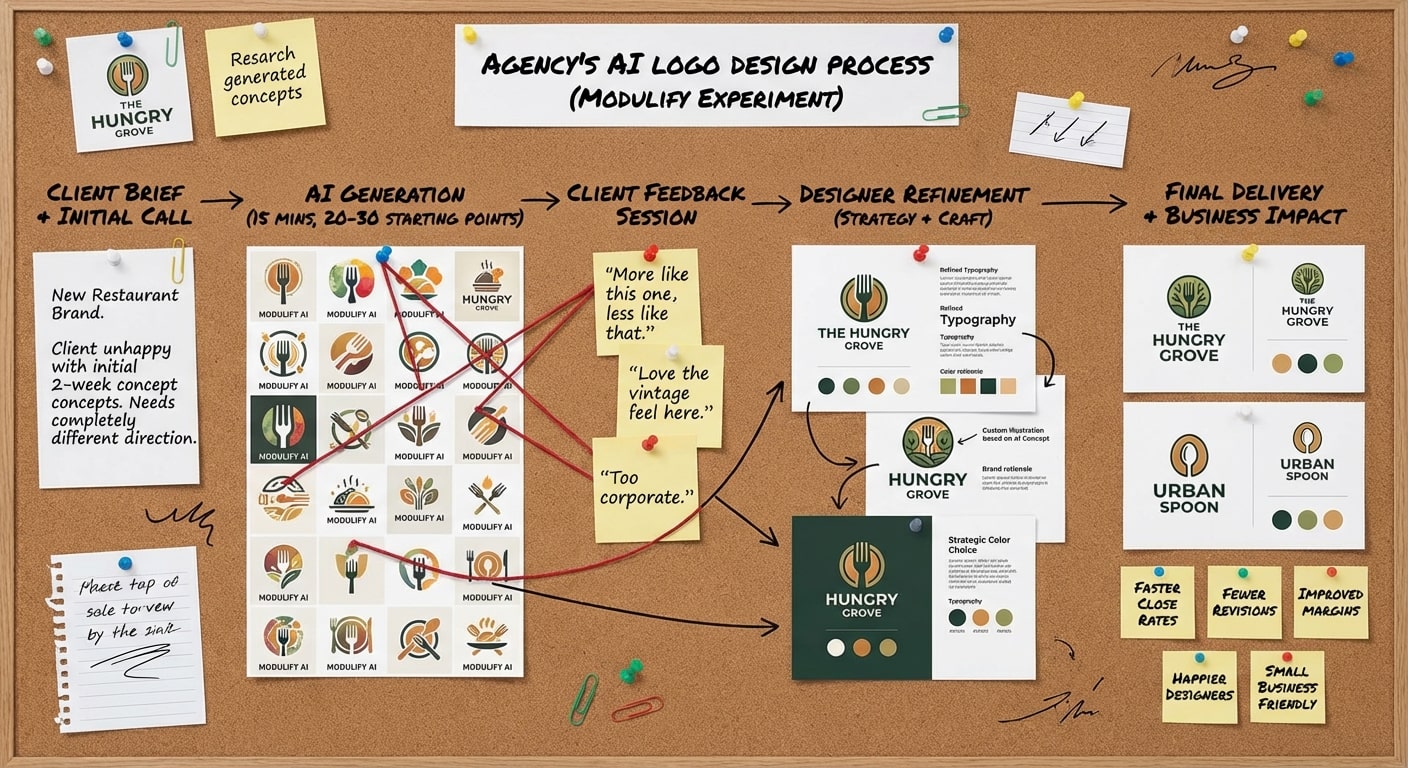
It started with a client call that went sideways. We had spent two weeks developing logo concepts for a new restaurant brand. Three rounds of internal review. Carefully crafted presentations. Hours of designer time. The client looked at everything and said, "These are nice, but can we see something completely different?"
We smiled professionally and said of course. Internally, we were calculating the hours we were about to lose.
That evening, one of our junior designers mentioned she had been experimenting with the Modulify AI Logo Maker for personal projects. She showed me what it could do. I was skeptical. We are a proper agency. We do not use AI generators for client work. That felt like cheating.
But I kept thinking about those lost hours. And the next client who would inevitably ask for something completely different after we had already invested heavily in a direction.
So we ran an experiment.
How We Actually Use It Now
Let me be clear about what we do and do not do with this tool. We do not hand AI-generated logos directly to clients and call it a day. That is not what this is about.
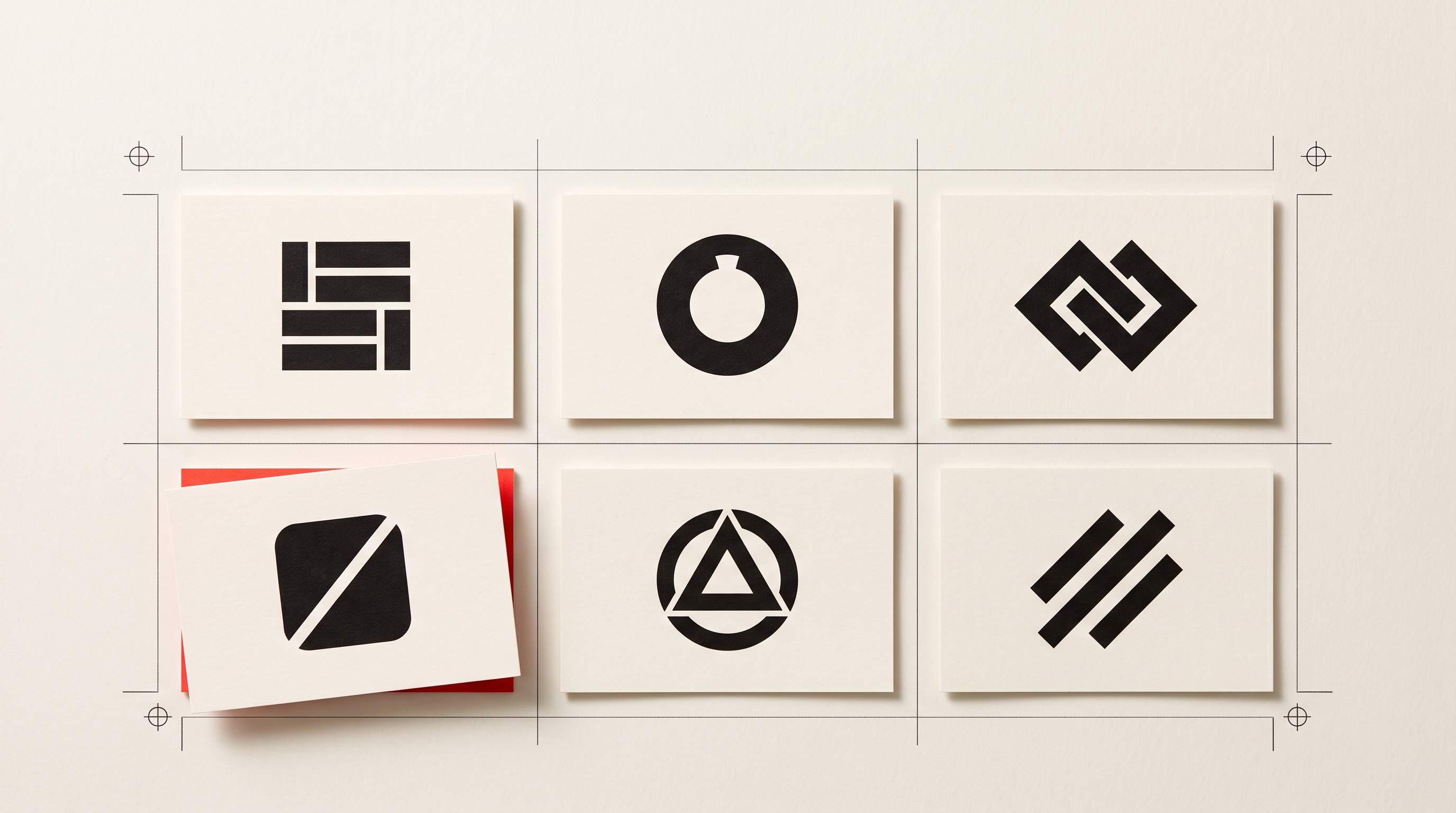
What we do is use the Modulify AI Logo Maker as the first step in our creative process. Before our designers spend hours developing concepts, we generate a range of directions using AI. We plug in the client brief, explore different styles, and see what emerges. In fifteen minutes, we have twenty or thirty starting points to evaluate.
This changes everything about the early phase of brand identity design. Instead of our team guessing which direction a client might prefer, we can show them a spectrum of possibilities in the first meeting. They react. They point. They say things like "more like this one, less like that one." We get real feedback before we invest real hours.
Then our designers take over. They refine. They push the concepts further. They apply the craft and strategic thinking that makes professional branding work. The AI gave us a foundation. Our team builds something meaningful on top of it.
The Business Impact We Did Not Expect
Here is what surprised us. We thought this tool would just save time. It did. But it also changed our client relationships in ways we did not anticipate.
Our close rates went up. When prospective clients see that we can show them rough directions in the first meeting rather than asking them to wait two weeks for initial concepts, they feel understood faster. The sales cycle shortened because we could demonstrate value immediately.
Our revision cycles decreased. Because clients are involved in direction setting from the start, we waste less time developing concepts they were never going to love. The work we present in formal reviews is already aligned with their instincts.
Our margins improved. We used to lose money on branding projects when clients requested extensive revisions. Now we can absorb more exploration in the early phases without burning through budget. The tool costs almost nothing compared to designer hours.
And honestly, our designers are happier. They spend less time on speculative concept work that gets thrown away and more time on the refined execution they actually enjoy. Nobody went into design to make logos that never get used.
What This Means for Small Business Clients
A significant portion of our client base is startups and small businesses. These are people who need professional brand identity but cannot afford unlimited rounds of creative exploration. Before, we had to be careful about scope. We would limit initial concepts to three directions because that was all the budget allowed.
Now we can be more generous. The AI logo generation phase costs us almost nothing in terms of time and resources. We can show a small business client ten directions instead of three. We can let them explore without watching the meter run.
This has been meaningful for the clients who need it most. The founder launching their first company. The local business finally investing in real branding. The nonprofit trying to look established on a shoestring budget. We can give them an agency experience without agency pricing.
The Modulify AI Logo Maker became part of how we deliver a user friendly logo creation process that still results in professional, custom work.
Why This Does Not Replace Designers
I want to address something directly because I know other agency owners are wondering. Does this tool threaten design jobs? In our experience, no. It changes what designers spend their time on, but it does not eliminate the need for them.
AI can generate options. It cannot make strategic decisions. It cannot understand why a particular color choice matters for a specific audience. It cannot refine typography with the subtle adjustments that separate amateur work from professional branding. It cannot present work to a client and guide them through the rationale.
What the tool does is handle the generative phase that used to consume hours of exploration. Our designers still do everything that requires judgment, craft, and client relationship skills. They just start from a better place.
If anything, this has made our team more valuable. We deliver faster without sacrificing quality. We take on more projects without burning out. We compete more effectively against freelancers who undercut on price because we can match their speed while exceeding their output.
The Workflow We Recommend
For other agencies considering this approach, here is what works for us.
Start with the client brief. Translate their goals, audience, and tone into prompts for the AI. Generate broadly at first. Do not try to nail it immediately. Let the tool show you unexpected directions.
Review the output with fresh eyes. Some of it will be unusable. Some of it will spark ideas your team would not have considered. Pull out the strongest concepts and organize them by style or direction.
Present the raw directions to the client early. Frame it as exploration, not finished work. Get their reactions. Let them eliminate directions they hate and lean into directions they love.
Then hand off to your design team. Give them the client-approved directions and let them do what they do best. The refinement phase is where professional skill matters most. The AI got you to the starting line faster. Your designers run the actual race.
Export final work in proper formats. The platform supports SVG, PNG, EPS, and PDF, which covers everything from digital use to print production. You are not compromising on deliverable quality.
The Bigger Shift Happening
We are not the only agency adapting this way. The tools for creative work are changing, and the agencies that figure out how to use them will outcompete those that resist.
AI logo generation is not about cutting corners. It is about reallocating effort. The hours we used to spend on speculative exploration now go into strategic thinking and refined execution. The value we provide has actually increased because we are spending time where it matters most.
For agencies serving startups and small businesses, this shift is especially important. These clients need professional logos fast. They need easy logo design processes that respect their budgets. They need creative partners who can move at startup speed.
The Modulify AI Logo Maker helped us become that partner. It fits into our designer workflow without disrupting it. It makes us faster without making us worse. And it lets us say yes to clients we might have turned away before.
Worth Exploring
If you run a creative agency and you have not looked at what AI tools can do for your branding workflow, you are probably leaving efficiency on the table. The skepticism is understandable. We had it too.
But the experiment is low risk. You can try the platform free and see what it produces. Generate some concepts for an internal project. Test it against your current process. Measure the time difference.
We did that experiment a year ago. We have not gone back.
If you want the wider version of the same argument, Modulify's comparison of the main AI builders in 2026 runs that test on website and app work rather than logos.